With Tastfinity, red pepper meatballs are the kind of dish that feels familiar and a little surprising at the same time. The meatball, on its own, belongs to the comfort-food hall of fame, being tender, savory, and built for soaking up sauce. Red peppers bring something different to the party. They add sweetness without being sugary, a gentle bitterness that keeps the flavor from turning one-note, and a bright aroma that makes the whole dish taste more alive. When you put those two together, you get a meal that can be cozy and bold at once, equally at home over pasta, tucked into a sandwich, or served with rice and a crisp salad.
Red Pepper Meatballs
What makes red pepper meatballs stand out is how many ways the pepper can show up. Sometimes it’s blended right into the meat mixture, turning the inside of the meatball fragrant and slightly sweet. Sometimes it becomes a glossy sauce, roasted until its edges char and then pureed with garlic, olive oil, and a splash of stock. In other versions, peppers are diced and sautéed, then folded into the pan with the browned meatballs so everything mingles in a rustic, chunky braise. The pepper isn’t just a decoration or a side ingredient. It’s the main thread that ties the dish together, shaping balance between richness and freshness.
The starting point of red pepper meatballs is the meatball itself, and the beauty here is flexibility. Beef gives you depth and that classic flavor, especially if you use a mix that isn’t too lean. It adds sweetness and tenderness, and a beef blend tends to be particularly juicy. Turkey or chicken can work wonderfully too, especially when you want something lighter, but they appreciate extra moisture and fat from ingredients like olive oil, grated onion, or a spoonful of yogurt. No matter which meat you choose, the goal is the same, which is a mixture that holds together without becoming tight or rubbery.
The tenderness in red pepper meatballs comes from the combination of bread and liquid that acts like a cushion. Breadcrumbs soaked in milk, or even cooked rice can help the meatball stay succulent. Eggs can help bind, but too many can make the texture springy, so a light hand matters. Aromatics do the rest. Garlic, onion, and herbs are familiar, but red pepper changes the aroma profile. If you grate it raw into the mixture, it brings moisture and a slightly grassy sweetness. If you use roasted red pepper, you get a deeper flavor, as if the meatball has already been kissed by a sauce.
Then comes the seasoning, which is where red pepper meatballs can lean into different personalities. If you want a Mediterranean feel, think oregano, parsley, maybe a hint of cumin, and a finish of lemon zest. On the other hand, if you want them to feel more Spanish, smoked paprika and a touch of sherry vinegar play beautifully with red pepper’s smokiness. For something that nudges toward North African flavors, coriander, cumin, and a whisper of cinnamon can make the peppers taste even sweeter and more complex. Even a small addition like crushed fennel seed can make the meatball feel more aromatic, almost perfumed, while still being grounded.
The sauce is where red pepper meatballs really earn their starring role. Roasted sauce is one of those things that tastes like it took hours even when it didn’t. When peppers are prepared as such, their skins blister and the sugars caramelize, concentrating flavor. Blend the peeled peppers with sautéed garlic and onion, add a little tomato paste if you want more body, loosen with stock, and enrich with olive oil. The result is a sauce that’s velvety and bright, with a natural sweetness that doesn’t need much help. A pinch of salt, a squeeze of lemon, and maybe a bit of chili flake can make it pop.
However, red pepper meatballs sauce doesn’t have to be silky. A chunkier version feels more like a stew, especially if you keep some pieces intact. In a pan with browned meatball, onions, and peppers, a splash of stock and a lid turn the whole thing into a gentle braise. Peppers soften, meatballs absorb flavor, and everything becomes spoonable and comforting. If you add tomatoes, it becomes a cousin of classic meatball marinara, but red peppers keep it from tasting too sharp or acidic. If you skip tomatoes, the pepper stays front as well as center, and the dish tastes unusually sunny even in winter.
Texture is a big part of why people love meatballs, and red peppers influence that too. Inside the meatball, pepper can make the bite softer and juicier. In the sauce, it creates thickness without heavy cream. That’s another reason red pepper meatballs appeal to so many cooks. You can get a creamy mouthfeel with ingredients that still feel light and fresh. If you want richness, a small swirl of cream, mascarpone, or even coconut milk can turn the sauce into something lush, but it’s rarely necessary. The pepper provides its own kind of generosity.
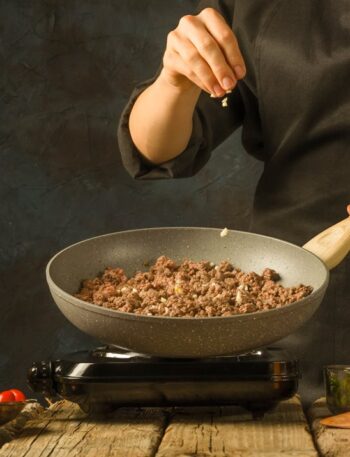
The cooking method of red pepper meatballs shapes the final character. Pan-searing gives you a browned crust, those savory bits that deepen the flavor and make the meatball taste hearty. Baking is hands-off and reliable, and it’s great when you’re making a big batch. Simmering meatballs directly in the sauce can keep them especially tender, though it helps to start them with some browning first so they don’t fall apart and in order for the sauce to gain that roasted-meat depth.
However you cook them, the most important thing is not to overwork the meat mixture. The more you knead it, the tighter it becomes, and red pepper’s softness won’t be enough to rescue a tough meatball. Serving red pepper meatballs is where the fun really starts, because they’re unusually adaptable. Over spaghetti or linguine, they feel like a fresh twist on an old favorite, especially if you finish with grated cheese and herbs. With rice, they become almost like a peppery curry without the spices, a warm bowl dinner that’s easy to love.
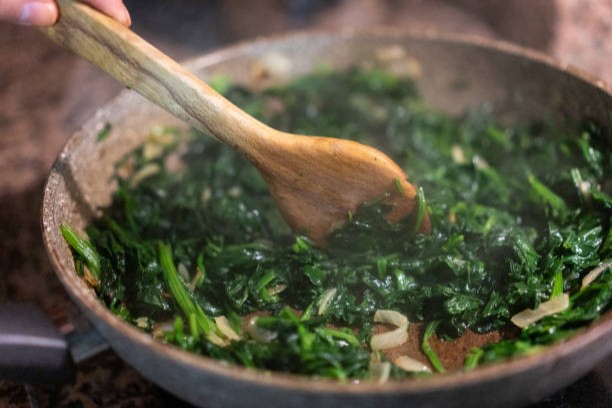
Tucked into a crusty roll with extra sauce, they turn into a sandwich that drips in the best way. They also work with polenta, where the sauce soaks in and the sweetness of the peppers plays against corn’s gentle flavor. Even simple sides like roasted potatoes or a pile of sautéed greens make sense, because the meatballs and sauce provide plenty of personality. One of the nicest things about red pepper meatballs is how well they keep. The flavors often get better after a night in the fridge, when the peppers have had time to mingle with the meat and aromatics. They reheat beautifully, and freeze well too, especially if done in sauce so they stay moist.
That makes them practical, but they never feel like a compromise. They taste like something you cooked on purpose, with attention, even if they began as a make-ahead plan. Red pepper meatballs are a lesson in balance. Meat brings richness and comfort, while red peppers bring brightness, sweetness, and a gentle smokiness that makes the dish feel special. It’s not a fussy combination, but a memorable one. Whether you keep them classic with herbs and garlic or push them toward bolder spices, they have a way of tasting both familiar and new, like comfort food with a little extra sunlight mixed in.